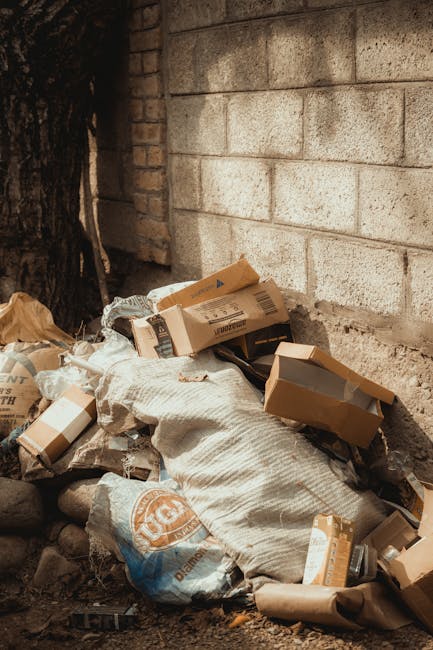
Avoid hidden rubbish removal costs in Tooting what to know
If you are trying to clear clutter, building waste, old furniture, or a garden load in Tooting, the last thing you want is a quote that looks fine at first and then creeps up on the day. That is exactly why Avoid hidden rubbish removal costs in Tooting what to know matters. A cheap-looking price can turn into a much more expensive job once access issues, load size, or restricted items are added in. To be fair, it catches a lot of people out.
This guide explains how rubbish removal pricing usually works, where hidden charges tend to appear, what to ask before you book, and how to compare services sensibly. You will also find practical checks, a comparison table, a real-world example, and a simple checklist you can use before anyone arrives with a van. Let's keep it plain English and actually useful.
Table of Contents
- Why avoiding hidden rubbish removal costs in Tooting matters
- How rubbish removal pricing typically works
- Key benefits and practical advantages
- Who this is for and when it makes sense
- Step-by-step guidance
- Expert tips for better results
- Common mistakes to avoid
- Tools, resources and recommendations
- Law, compliance, standards, and best practice
- Options, methods, or comparison table
- Case study or real-world example
- Practical checklist
- Conclusion
- Frequently asked questions
Why avoiding hidden rubbish removal costs in Tooting matters
Rubbish removal should solve a problem, not create a new one. In Tooting, where homes, flats, shops, and renovation jobs can all have awkward access, pricing surprises happen for a few common reasons. A quote may assume easy parking, ground-floor access, a certain load size, and standard waste only. Then the job turns out to be a loft clearance, or the van has to park two streets away, or the waste includes a bulky item that needs extra handling. And suddenly the number changes.
That is why understanding rubbish removal costs is about more than saving a few pounds. It is about planning properly, avoiding disputes, and making sure the job is completed without stress on the day. If you have ever had a tradesperson say, "That wasn't included," you already know the feeling. Slightly annoying, to put it mildly.
It also matters because waste removal is not just about lifting things into a van. Responsible disposal, sorting, recycling, and handling of certain waste streams all affect the final price. A transparent company will usually explain this. A vague one may not. The difference is often visible before they even turn up.
For readers looking to compare a broader range of services, it can help to review the main waste removal options in Tooting alongside the pricing and quotes guidance so you know what is included and what is not.
How rubbish removal pricing typically works
Most rubbish removal quotes are built from a few moving parts. Understanding these makes it much easier to spot a hidden charge before it lands on your invoice. In plain terms, the price is usually influenced by volume, weight, waste type, access, labour, travel, and disposal fees. Simple? Mostly. Transparent? Only if the company explains it clearly.
Common pricing factors
- Volume - how much space your rubbish takes up in the van or container.
- Weight - heavy waste can cost more to transport and process.
- Waste type - mixed rubbish, green waste, builders waste, appliances, and mattresses can all be priced differently.
- Access - stairs, narrow hallways, long walks from the property, or no parking nearby can add labour time.
- Loading time - if the crew has to dismantle items or sort waste on site, the job takes longer.
- Disposal route - some items need specialist processing or recycling.
In a typical Tooting terrace, flat, or converted building, access is often the thing people forget. A first-floor flat with tight staircases is not the same as a driveway drop-off. Not even close.
Where hidden costs usually appear
Hidden rubbish removal charges often show up as "extras" after the quote has been given. These are the ones to watch most carefully:
- Minimum load charges if you only have a small amount.
- Call-out or attendance fees if the crew arrives and cannot complete the work.
- Extra labour for heavy lifting, dismantling, or awkward access.
- Parking or congestion-related costs where access is difficult.
- Restricted-item fees for appliances, fridges, mattresses, or hazardous materials.
- Mixed waste surcharges when recyclable and non-recyclable materials are all thrown in together.
- Waiting time if the team is delayed by keys, occupants, or site issues.
Some of these fees are perfectly reasonable if they are explained in advance. The problem is not the existence of extra charges. The problem is surprise. Nobody likes surprise charges. Nobody.
Key benefits and practical advantages
Taking a few minutes to compare rubbish removal properly can save time, money, and frustration. It also helps you choose the right kind of service for the job, which matters more than people expect. A small domestic clear-out and a messy builders waste load are not the same thing at all.
What you gain from a transparent quote
- Better budgeting because you know the real price before the work begins.
- Fewer disputes because expectations are clear.
- Faster booking since you are not arguing on the doorstep about what was included.
- Better service match because the provider can prepare the right vehicle and crew.
- More responsible disposal when the waste is described accurately from the start.
There is another benefit that is easy to miss: confidence. Once you know how pricing works, you stop feeling pressured by vague phone quotes. You can ask better questions and make a calmer decision. That alone is worth something.
If you are clearing a flat, a home, or an office, it can help to browse the relevant service pages before you book. For example, a flat clearance often has different access issues from a garage clearance, while office clearance may need careful handling of confidential or mixed materials. The right match matters, and so does the paperwork behind it. You can also review flat clearance, garage clearance, and office clearance if your job is more specific.
Who this is for and when it makes sense
This advice is useful for anyone arranging waste collection in Tooting, but some people benefit from it much more than others.
Typical situations where hidden costs are most likely
- Home clear-outs after moving, downsizing, or a long-overdue declutter.
- Flat clearances where stairs, shared entrances, or parking limits can complicate the job.
- Builders waste clearance after renovation, refurbishment, or a small DIY project that got out of hand.
- Garden clearances involving soil, cuttings, broken fencing, or mixed organic waste.
- Furniture disposal where bulky items need two people and careful handling.
- Fridge and appliance removal because white goods can require special processing.
- Business waste removal where mixed office waste, packaging, and confidential materials are involved.
It also makes sense if you are comparing a skip with a man-and-van removal service. Each has its place. A skip can be useful if you want time and flexibility, while a collection service may suit tighter streets and quick clearances. If you are unsure what belongs in a skip, the page on what can go in a skip is worth a look.
Some households just want the simplest route possible. Fair enough. Others need disposal for awkward items like mattresses, sofas, or broken appliances. In those cases, the exact item list matters more than you might think.
Step-by-step guidance
If you want to avoid hidden rubbish removal costs, the safest approach is to treat the quote process like a small project. Nothing dramatic. Just a few sensible steps.
- List everything clearly. Make a quick inventory of the waste. Include large pieces, heavy items, and anything unusual.
- Take a few photos. Pictures help the provider estimate volume and access. A photo of the pile, the staircase, or the rear access can reveal issues straight away.
- Ask what is included. Labour, loading, disposal, travel, and VAT if applicable should all be clear.
- Check access details. Mention stairs, lift availability, parking restrictions, or long carrying distances.
- Separate special items. Keep fridges, mattresses, confidential papers, paint, or other specialist waste flagged separately.
- Confirm timing. Ask whether the quote assumes immediate loading, or whether waiting time may be charged.
- Get the final price in writing. Not necessarily a formal essay, just a clear confirmation of what the job covers.
- Review the terms. This is the part people skip, then regret. Small print can be boring, yes, but it exists for a reason.
A quick phone call is often enough if the provider is used to being precise. If they sound vague, keep asking. Good operators usually do not mind. In fact, they tend to welcome proper details because it helps them price the job fairly.
A simple way to phrase your request
"I want a fixed, all-in quote based on the items, access, and disposal requirements. Please let me know any possible extras before booking."
That one sentence cuts through a lot of nonsense.
Expert tips for better results
After enough clearances, you start to notice a pattern. The people who get the smoothest, fairest price are usually the ones who provide the clearest information. Not because they are waste experts. Just because they are organised enough to avoid guesswork.
Practical tips that really help
- Be specific about access. "Ground floor but no parking outside" is very different from "easy driveway access."
- Measure bulky items roughly. Even approximate dimensions help with load estimates.
- Ask about mixed waste. If builders waste is mixed with household rubbish, say so upfront.
- Confirm item restrictions. Fridges, freezers, and some electrical items may need separate handling through fridge and appliance removal.
- Tell them if the property is occupied. This matters for timing, parking, and loading logistics.
- Keep a copy of the quote. A screenshot or email is often enough.
- Think about sorting first. Recyclable items, reusable furniture, and general rubbish may be better separated where possible.
One small but useful habit: stand in the room or garden and take a slow look around before booking. People often miss the little things. A cracked mirror behind a wardrobe. A bag of rubble by the side gate. A box of cables in the corner that somehow became "not worth mentioning." Those little things add up.
If you care about re-use and disposal standards, it can also help to look at the company's wider approach to recycling and sustainability. That does not guarantee a lower price, of course, but it does tell you something about how they handle waste after collection.
Common mistakes to avoid
A lot of avoidable cost issues come from rushed booking. No judgement here. People are busy, and rubbish removal is rarely the most exciting task in the week. Still, a few mistakes come up again and again.
The most common errors
- Only describing the waste loosely. "A bit of rubbish" is not enough.
- Ignoring access problems. Stairs, parking, and distance from the road matter.
- Forgetting specialist waste. Certain items may need extra disposal steps.
- Comparing quote totals without checking what they cover. A lower figure can be less competitive if it excludes labour or disposal.
- Not asking about VAT or minimum charges. These can change the final bill quickly.
- Leaving waste mixed together. Mixed loads can be more expensive to process.
- Assuming all companies work the same way. They do not. Not even close.
A very common scenario: someone books a collection for what they think is a small domestic load, then discovers the items include a wardrobe, broken tiles, an old fridge, and a heavy mattress. The job is still manageable, but the initial quote no longer matches reality. That is where the awkward conversation starts.
Better to surface everything early. Saves the headache later.
Tools, resources and recommendations
You do not need special software to avoid hidden rubbish removal fees. A few simple tools and habits are enough.
Useful things to prepare before requesting a quote
- Phone camera for clear photos of the waste and access route.
- Notes app or paper list for item names and rough counts.
- Tape measure if you have bulky furniture or appliance dimensions.
- Parking and access details such as loading bay times or restricted streets.
- Quote comparison notes so you can compare what each provider includes.
On the service side, useful pages to review include pricing and quotes, payment and security, and insurance and safety. Those pages help you judge how serious and transparent a provider is before you hand over any work.
If your clearance involves sensitive items, documents, or business records, a specialist page like confidential shredding may be relevant too. Different waste types need different treatment, and mixing them up can create both cost and compliance problems.
Law, compliance, standards, and best practice
Waste removal in the UK is not just a practical service; it sits within a framework of legal and environmental expectations. You do not need to become a compliance expert, but it helps to know the basics.
At a minimum, a responsible waste carrier should be able to explain how waste is handled, where it goes, and whether the company follows appropriate duty-of-care practices. If a provider cannot clearly explain what happens after collection, that is a red flag. Not always a disaster, but worth paying attention to.
Best practice also means being honest about the waste type. Certain items, such as fridges, some electrical appliances, and hazardous materials, may require special handling. Hazardous waste is especially important to flag early because it can involve additional steps, different disposal routes, and stricter safety requirements. If you are not sure whether something counts as hazardous, ask first. It is much easier to clarify before collection than after.
For business users, compliance can matter even more. Office clearances, for example, may include documents, equipment, cables, and mixed materials. A good provider should have clear processes for handling sensitive or regulated items. You can also review the site's health and safety policy and complaints procedure to understand how issues are handled if something does not go quite to plan.
There is also a simple, practical standard worth following: ask for clarity, keep records, and do not accept a quote that feels too vague. In waste removal, vague usually means expensive later. Sometimes it means both.
Options, methods, or comparison table
If you are deciding between options, the best choice depends on the size of the job, your access, and how much control you want over timing. Here is a straightforward comparison.
| Option | Best for | Pros | Watch-outs |
|---|---|---|---|
| Man-and-van rubbish removal | Quick clearances, mixed loads, awkward access | Fast, labour included, often ideal for flats and busy streets | Price can rise if waste details are unclear |
| Skip hire | Longer projects, ongoing DIY, jobs with steady waste output | Flexible filling time, simple if you know your waste type | Parking space needed, permits may be relevant, and not all waste types are allowed |
| Specialist item removal | Fridges, appliances, mattresses, sofas, or sensitive materials | Better handling for awkward or regulated items | Often priced separately from general waste |
For many Tooting households, a collection service is the easiest option when access is tight or the waste is ready to go. For renovation work, builders waste clearance can be more suitable, especially if the load is heavy and mixed with rubble or timber. If that sounds like your situation, the page on builders waste clearance is a useful starting point.
Case study or real-world example
Here is a simple real-world style example based on the sort of job people often need help with in Tooting.
A small two-bedroom flat was being cleared before a move. The owner had a sofa, a broken wardrobe, two mattresses, several bin bags, and a fridge freezer in the kitchen. At first glance, it sounded like a fairly standard collection. But the flat was on the second floor, there was no lift, and parking outside was limited to a short loading period in the morning. On top of that, the fridge freezer needed specialist handling.
The first rough quote was lower than the final one because it did not fully account for the access time or the appliance. Once the details were clarified, the provider gave a more realistic price, explained the extra time needed, and scheduled a suitable arrival window. The customer paid slightly more than expected, but the process was clean and predictable. No unpleasant surprise at the door, which honestly is half the battle.
The lesson is simple: the "hidden cost" often becomes visible the moment the job is described properly. That is not a bad thing. In fact, that is exactly what you want. Better a clear quote than a cheap one that unravels later.
Practical checklist
Use this before you book any rubbish removal in Tooting.
- List all items in the load, including awkward or heavy pieces.
- Check access such as stairs, lifts, parking, and carrying distance.
- Identify special waste like appliances, mattresses, or hazardous materials.
- Ask for an all-in quote and confirm what is included.
- Ask about extras such as labour, waiting time, or minimum charges.
- Keep photos of the waste and the access route.
- Review the company's terms before agreeing.
- Confirm payment method and when payment is due.
- Check sustainability approach if recycling matters to you.
- Keep written confirmation of the agreed price and scope.
Expert summary: The safest way to avoid hidden rubbish removal costs is to describe the waste accurately, flag access problems early, and insist on a quote that clearly explains extras before the job starts.
Conclusion
Avoiding hidden rubbish removal costs in Tooting is mostly about good information and a bit of healthy scepticism. If you give a provider a clear list of items, explain access properly, and ask what is included in writing, you dramatically reduce the chance of an awkward surprise. That is true for flats, houses, offices, garages, gardens, and renovation jobs alike.
In practice, the best deals are not always the cheapest quotes. They are the ones that make sense end to end. Clear scope. Clear timing. Clear disposal. No drama. And if a quote feels too thin, it probably is. Trust your instincts there.
For a smoother next step, review the relevant service details, compare pricing carefully, and choose the option that fits the job rather than the headline number. It saves money, yes, but it also saves a lot of hassle. Which, on a busy day in London, is worth a fair bit.
Get a free quote today and see how much you can save.
Frequently Asked Questions
What are hidden rubbish removal costs?
Hidden costs are charges that are not made clear before booking, such as extra labour, access fees, item surcharges, waiting time, or disposal charges that only appear later.
How can I tell if a rubbish removal quote is fair?
A fair quote should explain what is included, how access affects the price, whether specialist items cost extra, and whether there are minimum charges or VAT to add.
Do I need to mention stairs or parking when asking for a quote?
Yes. Stairs, limited parking, and long carry distances can affect labour time and pricing, so they should always be mentioned upfront.
Is rubbish removal cheaper than hiring a skip in Tooting?
It depends on the waste type, access, and how quickly you need the job done. A collection service can be better for tight access, while a skip may suit longer projects.
Why do fridges and appliances sometimes cost extra?
Appliances often need separate handling, transport, or disposal processes, so they may be priced differently from general household waste.
Can I avoid extra charges by sorting the waste myself?
Often, yes. Separating recyclable items, general rubbish, and specialist waste can make pricing more predictable and may reduce disposal complexity.
Should I get a quote in writing?
Absolutely. A written quote helps prevent disputes and gives you a clear record of what was agreed before the work starts.
What should I ask before booking rubbish removal?
Ask what the quote includes, whether there are any minimum charges, how access affects the price, and whether items like mattresses or fridges cost extra.
Is hazardous waste handled differently?
Yes. Hazardous materials should be flagged before collection because they often require special handling and cannot always be taken with standard waste.
What if the final price changes on the day?
If the job details were incomplete, some adjustment may be reasonable. But you should always ask for the reason, and the company should explain any change clearly before proceeding.
How do I know if a provider is transparent?
Transparent providers answer questions clearly, explain their pricing structure, and make the quote process easy to follow. If you feel rushed or confused, that is usually a sign to slow down.
What is the easiest way to prepare for a rubbish removal collection?
Make a list of the items, take a few photos, note the access details, and confirm the full price before booking. That simple routine avoids most surprises.